Campbell Mesa
Stories from a Flagstaff Forest
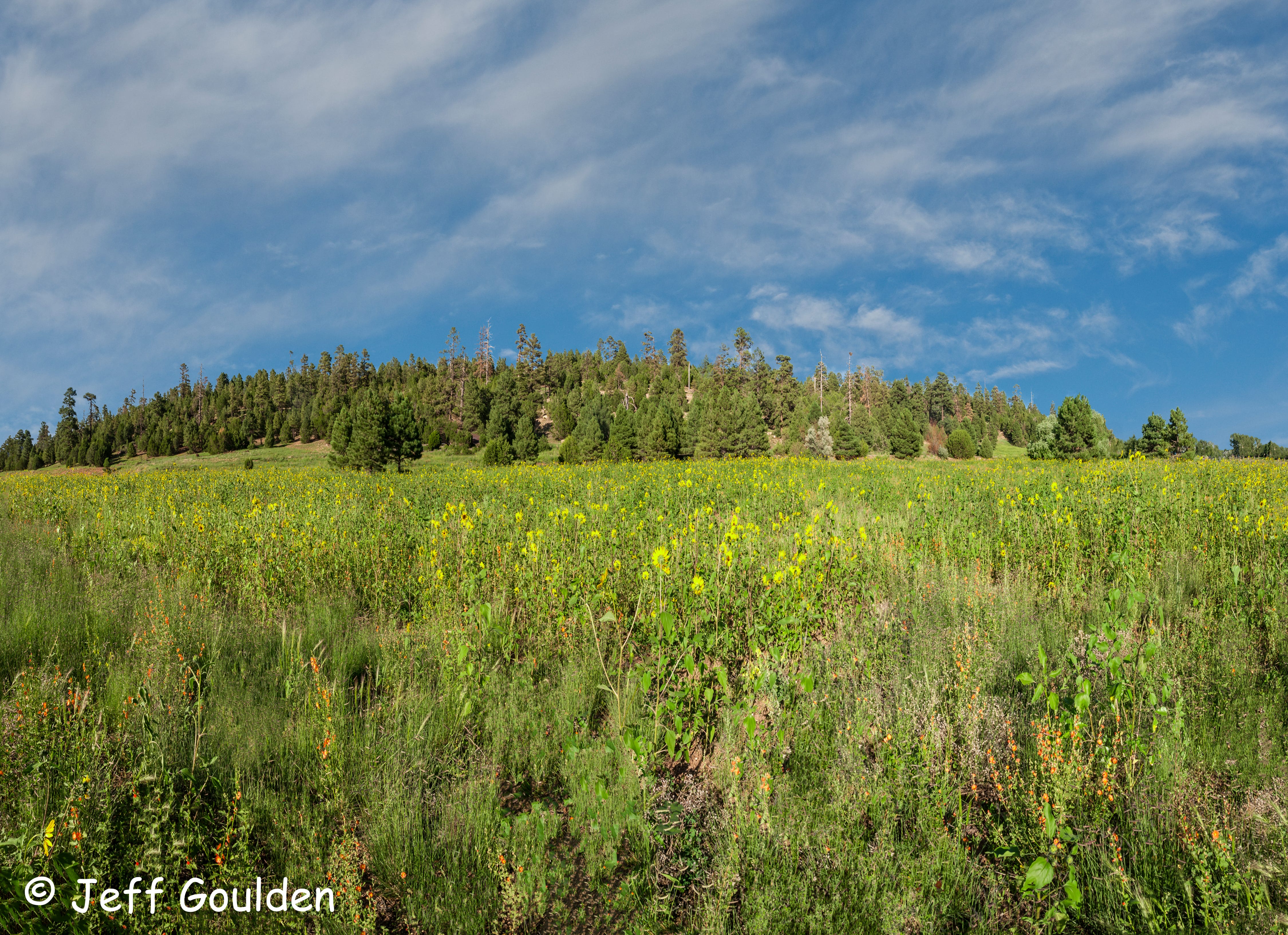
Campbell Mesa rises quietly along the eastern edge of Flagstaff in the vast expanse of Arizona’s Coconino National Forest. To many people, it is simply a network of trails winding through ponderosa pine forest and open meadows. But for me, Campbell Mesa has become something far more personal and meaningful.
Having trouble viewing this email? Read it in your browser here.
I am fortunate to live a short walk or bike ride away from the mesa. During the ten years I have lived in Flagstaff, it has been my backyard, playground, photography studio, and a kind of spiritual refuge. I have spent countless hours hiking beneath tall pines, mountain biking along narrow forest trails, photographing wildflowers after summer rains, and occasionally skiing across snow-covered meadows in winter silence. Whenever life feels noisy or crowded, I find myself drawn back to the mesa.
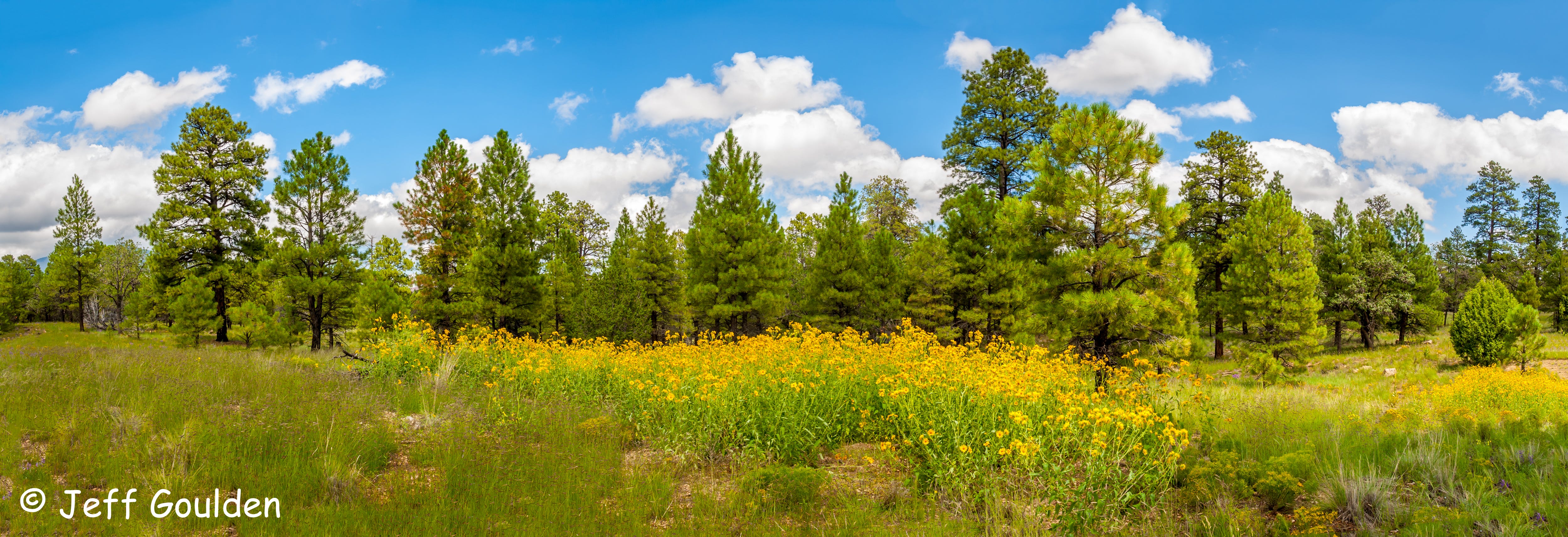
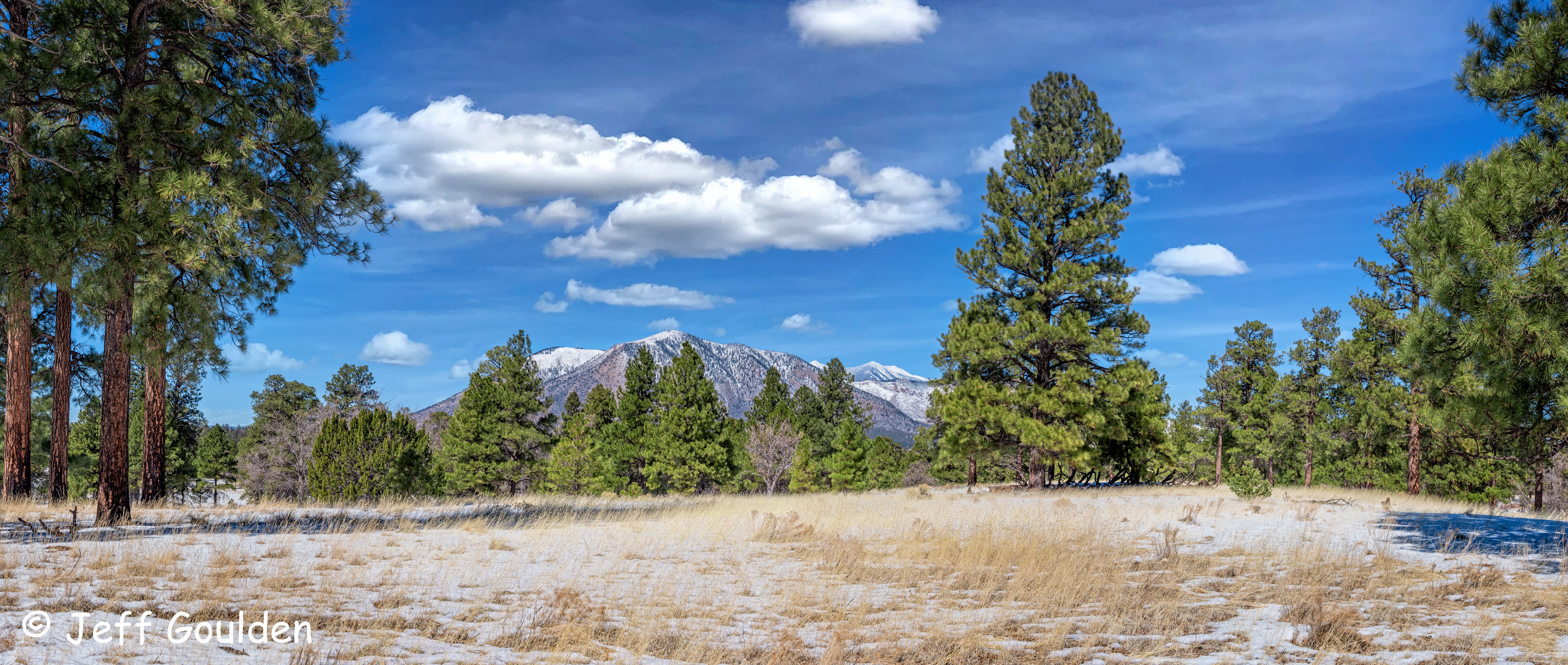
Like many of the forested mesas scattered across Northern Arizona, Campbell Mesa is a landscape shaped by both nature and human history. On its western side stand groves of towering ponderosa pines mixed with Gambel oak and grassy meadows brightened by seasonal wildflowers. Toward the eastern slopes, the dense forest gradually gives way to open vistas of pinyon and juniper woodland as well as scrub vegetation.
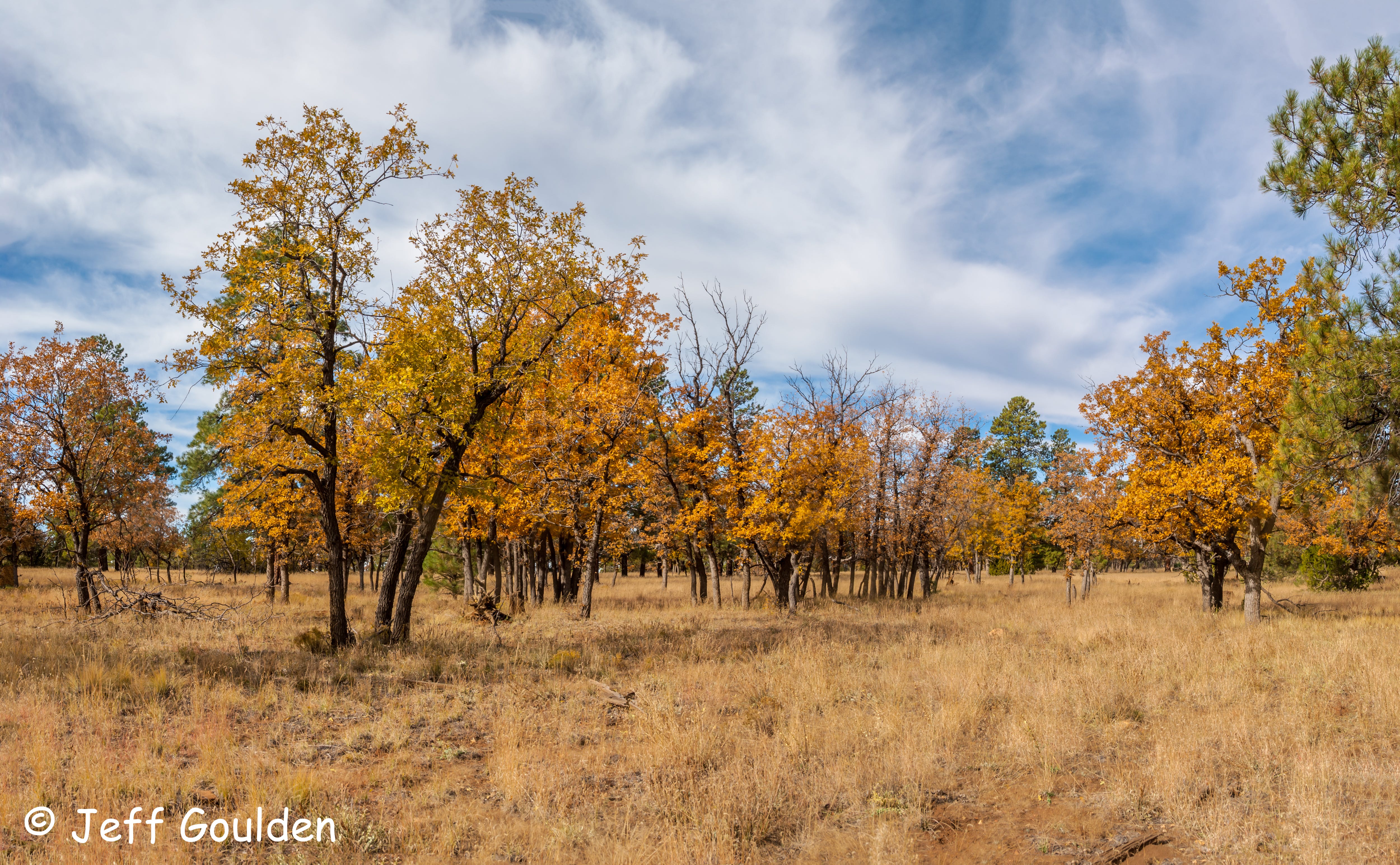
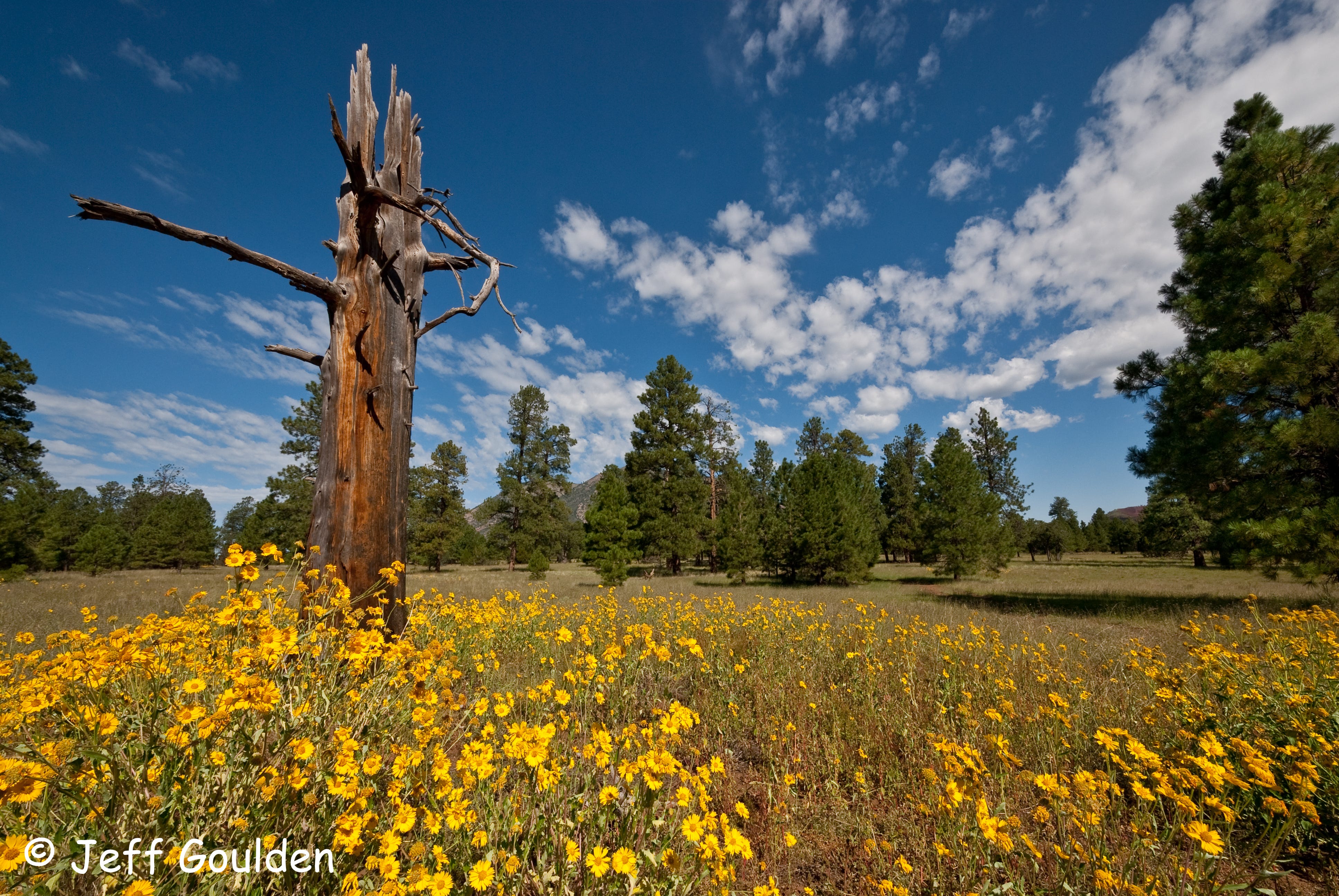
The mesa changes constantly with the seasons. Spring brings the first white daisies emerging from damp meadows. By summer, whole-leaf paintbrush and Arizona thistle begin appearing along the trails. With the arrival of the monsoon rains, Rocky Mountain bee plants and golden crownbeard spread across roadsides and meadows. Autumn carries the scent of drying grasses and cool pine-scented air along with the late blooming rabbit brush and hoary aster. In winter, snow settles gently across the forest, softening the landscape and revealing the tracks of elk, deer, coyotes, and smaller creatures moving through the trees.


Long before mountain bikers and hikers arrived, people lived in this landscape. Scattered across the mesa are fragments of pottery left behind by the ancient Sinagua people who once inhabited this region centuries ago. Archaeological evidence suggests they farmed in the nearby valley of the Rio de Flag while using surrounding forests and mesas for resources and travel routes.
More recent traces of human activity remain scattered across the mesa as well. Rusted cans lie hidden among the trees. Old, barbed wire fencing disappears into thickets of oak brush. Faint railroad grades and abandoned dirt roads cut through the forest. High tree stumps, tall by modern chainsaw standards, reveal an earlier era of logging when two-man cross-cut saws were still the standard.
Campbell Mesa once supported stands of old-growth ponderosa pine before extensive logging altered the landscape during the late nineteenth and early twentieth centuries. Over time, the old logging roads opened the area to increasing vehicle access. By the 1980s, large portions of the mesa had become heavily damaged by unauthorized motorized use.
That began to change in 1991 when the Forest Service adopted a new management plan for the mesa focused on recreation, wildlife habitat, and scenic preservation. Proposed timber sales were cancelled and the area was closed to motorized traffic. Volunteers and community organizations worked alongside the Forest Service to restore damaged areas and convert abandoned roads into recreational trails.
By the early 2000s, groups including the Flagstaff Biking Organization and Friends of Walnut Canyon helped transform the area into the trail system that exists today. Campbell Mesa now contains a series of interconnected loop trails used by hikers, mountain bikers, runners, and equestrians. A connector trail links the mesa to the long-distance Arizona National Scenic Trail, while portions of the route also connect with the greater Flagstaff Loop Trail system.
Wildlife remains one of the mesa’s greatest rewards for those willing to move quietly and pay attention.
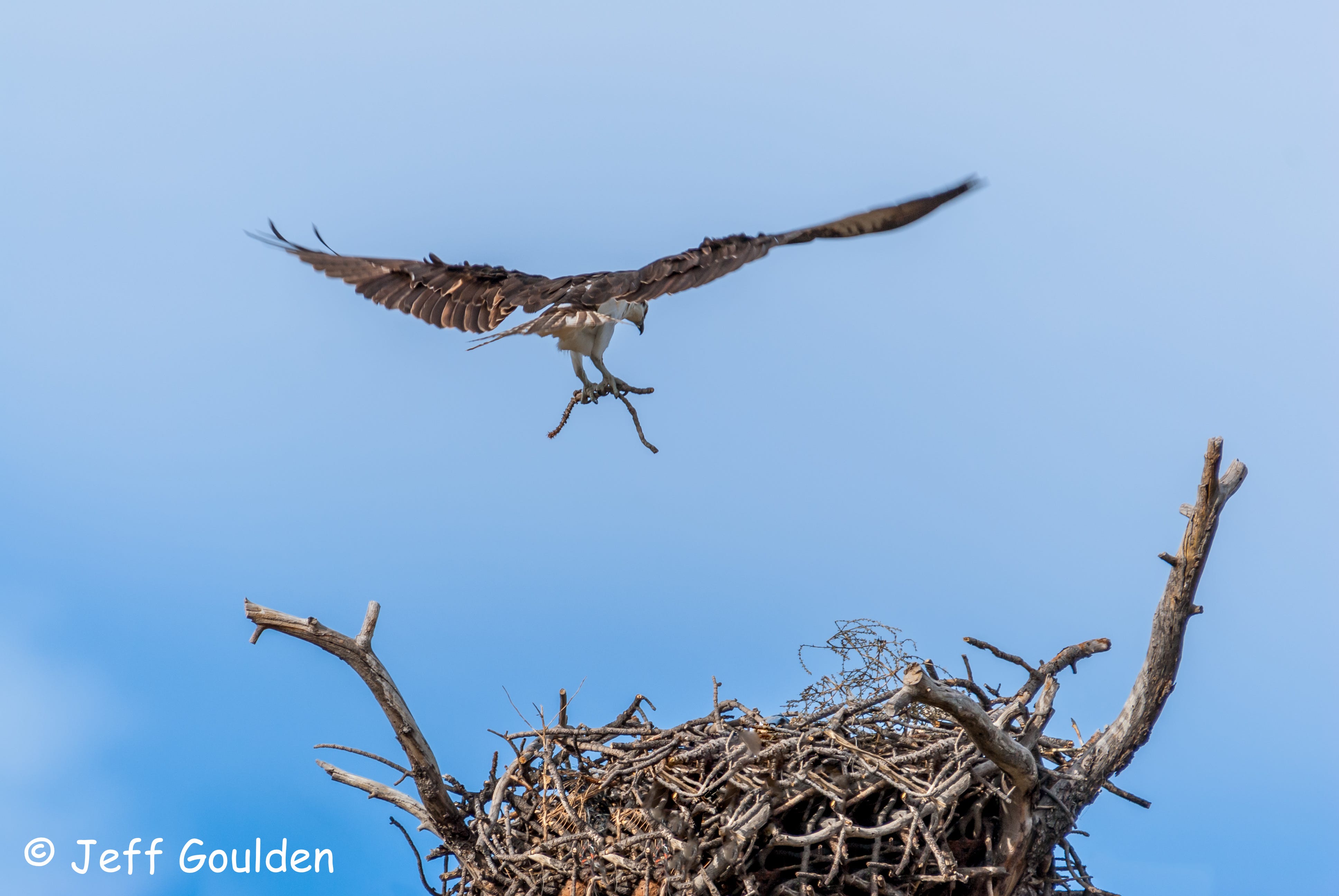
Red-tailed hawks circle above open meadows searching for movement below. Abert’s squirrels dart among ponderosa branches. Elk, mule deer and the occasional pronghorn antelope pass through the forest and meadows at dawn and dusk. Annual springtime visitors include a nesting pair of ospreys. During winter months, bald eagles sometimes perch in the dead snags across from the nearby lakes and ponds.
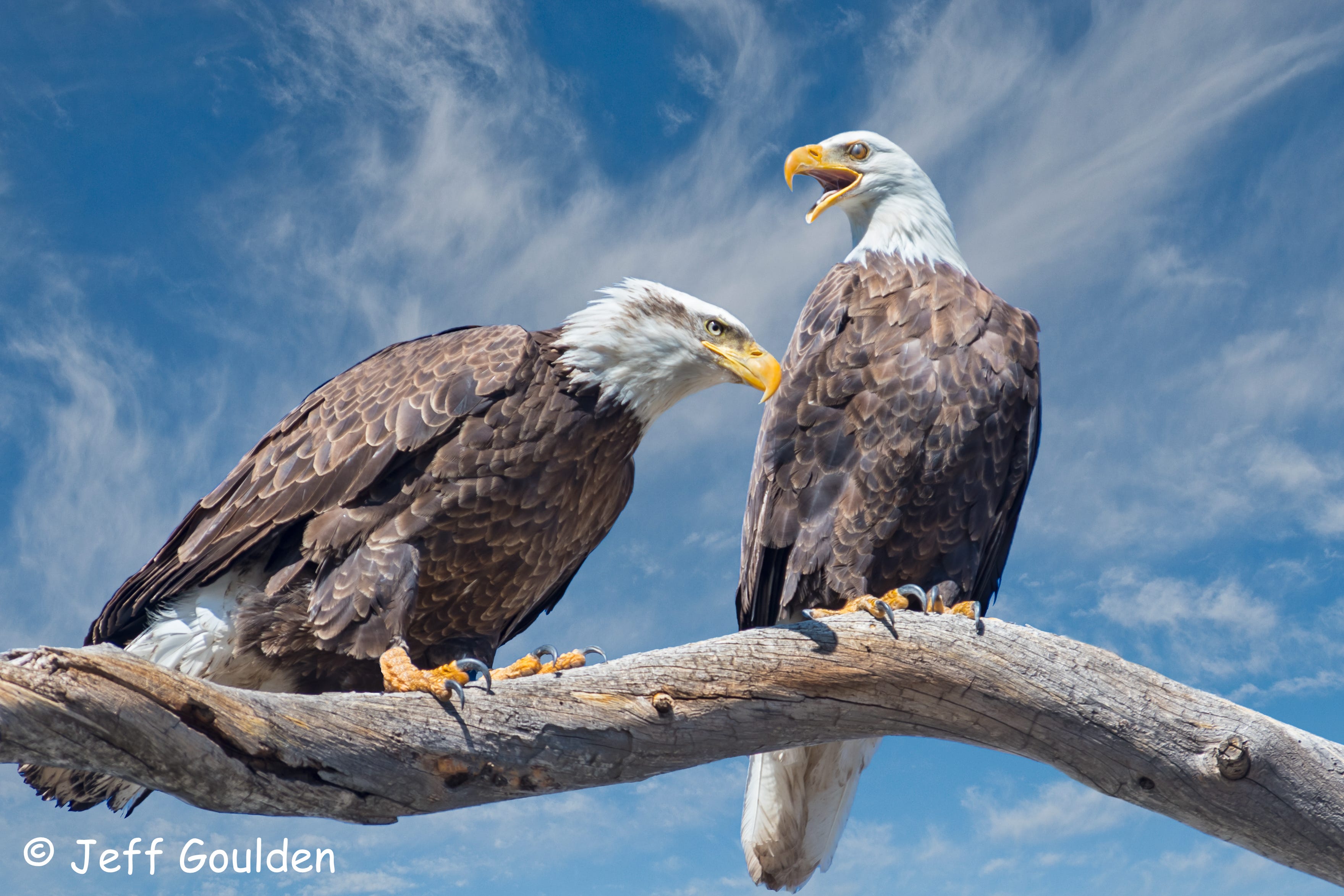
One winter, I had the privilege of watching and photographing a pair of bald eagles screeching at each other while perched on the branch of a dead snag. Their sharp cries echoed through the cold air like an argument between a disagreeing couple.
Not all wildlife encounters arrive with warning.
One afternoon while mountain biking on a remote section of the mesa, I stopped to rest on a fallen log. Out of the corner of my eye, I noticed movement in the distance. At first, I thought it was a stray dog wandering through the forest. But then I saw the pointed ears and short tail and realized I was looking at a bobcat.
The animal began slowly moving toward me.
My first instinct was to grab my camera before remembering that I never carry one while mountain biking. Instead, I fumbled for my phone and quietly waited for the bobcat to move closer. As I stood up to get a better angle, the animal vanished instantly into the forest. A moment later I spotted it running through the trees, perhaps deciding that this mountain biker was not worth investigating after all.
Another time I watched a greater roadrunner trot briskly across the trail toward a stand of junipers, an unusual sight at this high elevation. It moved with such determination that it looked as though it had somewhere important to be.


Some of my favorite places on Campbell Mesa lie far away from the established trails.
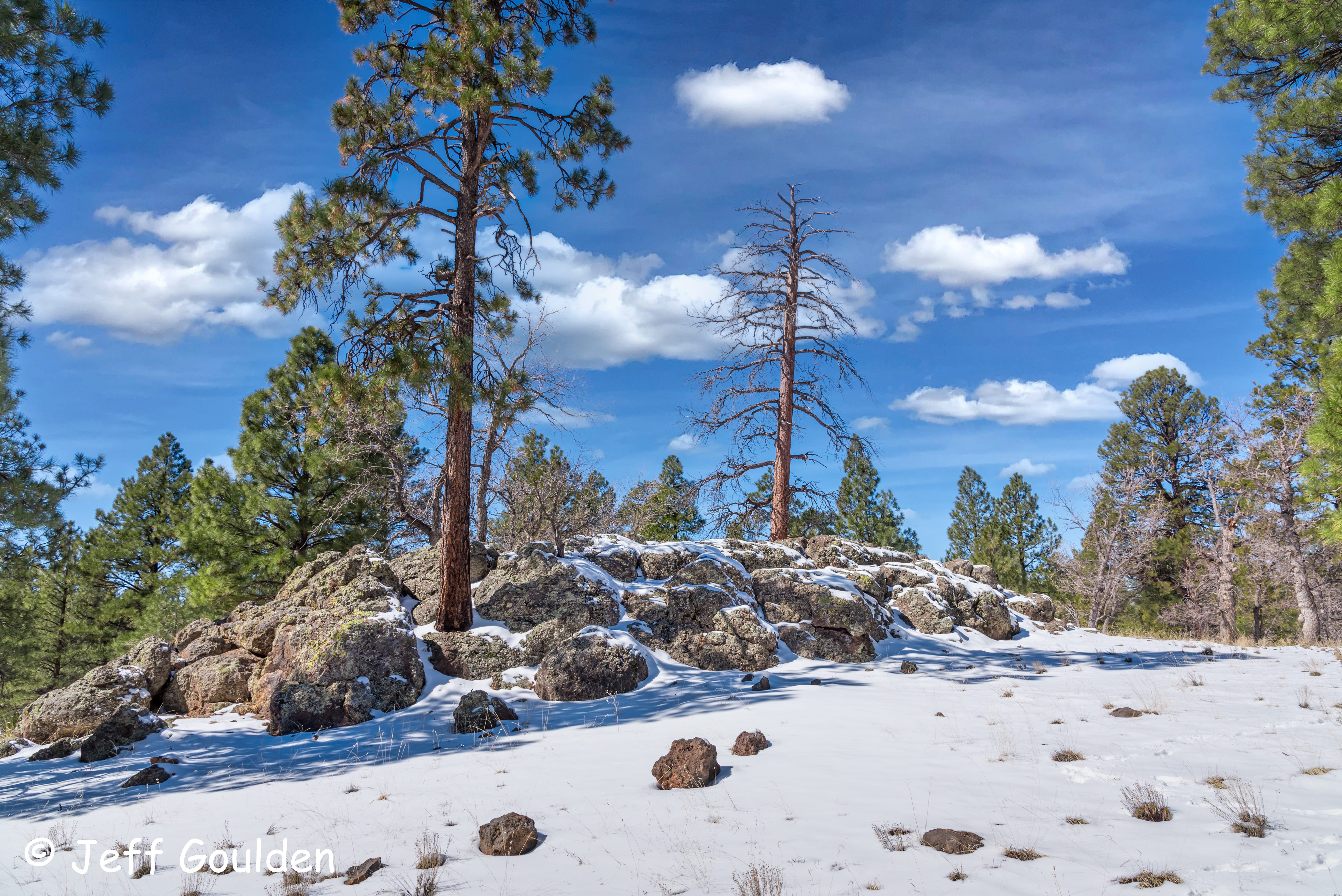
During the early days of the COVID pandemic, when people kept their distance from one another and uncertainty hung over daily life, I often wandered off-trail searching for solitude. On one of those walks I discovered a strange pile of massive boulders stacked together in a secluded section of the mesa.
The formation seemed completely out of place.
Curious about its origin, I shared photographs of the rocks online and asked several geologists for their opinions. Before I received any scientific answers, one of my daughter’s coworkers responded with an unexpected piece of local history. She told me that she and her friends used to drive their ATVs there during the 1990s and hold parties at the site. They simply called it “The Rocks.”
That explained the broken glass, shell casings, and other debris scattered around the area. It still did not explain the overturned 1960s-era Datsun pickup abandoned nearby in a meadow. If only it could speak, I bet that rusty old truck had an interesting story to tell.
Eventually, a few geologists visited the site and suggested the formation may indeed have origins tied to the ancient volcanic history of Northern Arizona. Since then, volunteers have returned to the area several times to help clean up the glass debris and other trash left behind decades ago.
Campbell Mesa takes its name from Hugh E. Campbell, an influential early resident of Flagstaff whose life reflected much of Arizona’s territorial history.
Born in Nova Scotia in 1862, Campbell left home as a teenager and eventually made his way west to Arizona during the 1880s. After working in lumber camps and sawmills, he entered the sheep business and became one of the region’s most successful sheep growers and cattlemen. Through the Campbell-Francis Company, his operations eventually managed enormous flocks grazing across Northern Arizona.
Campbell also became deeply involved in civic and political life. A prominent Democrat, he served multiple terms in the Arizona State Senate and was named interim territorial governor for a short time. He always supported the growth of Flagstaff and Northern Arizona institutions, including what would later become Northern Arizona University. He also served as chief of the Flagstaff Volunteer Fire Department and held leadership positions in state and national livestock organizations.
Today, most people passing through Campbell Mesa probably know little about the man whose name the landscape carries. Yet his name remains attached to a place that has continued evolving long after his time.
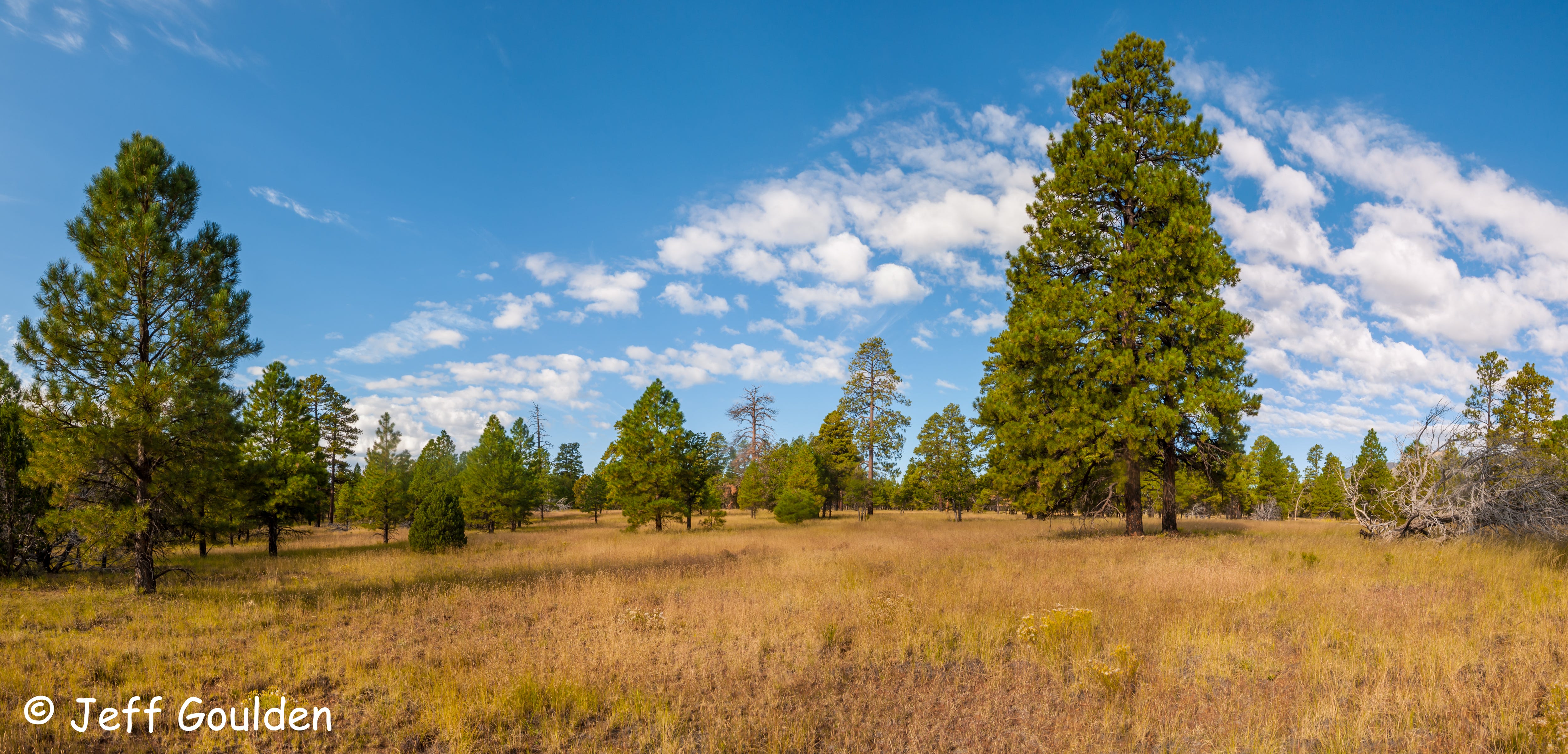
The longer I spend on Campbell Mesa, the more I realize it is a landscape layered with stories. The Sinagua once lived among these forests. Loggers cut timber here generations ago. Volunteers later restored damaged roads into trails used by thousands of people each year. Wildlife still moves silently through the trees as it always has.
For me, the mesa has become far more than a nearby recreation area. It is where I go to meditate, to photograph, to exercise, and to reconnect with the natural world. Over the years I have watched thunderstorms roll across the forest, followed animal tracks through fresh snow, and discovered hidden corners that still feel wild despite lying only minutes from town.
Places like Campbell Mesa remind us that public lands are more than scenery on a map. They become woven into our memories and daily lives. They shape communities and quietly anchor us to the landscapes around us.
Whenever I return to the mesa — whether walking beneath tall ponderosa pines, riding a mountain bike along winding trails, or skiing silently across fresh snow — it still feels like I am coming home.
Many thanks to historian Jane Jackson for providing
background history about Hugh E. Campbell.
See Jeff’s previous articles at the Substack Archive.
See more of Jeff’s photography at the www.JeffGouldenPhotography.com.
Jeff Goulden is a nature, landscape, wildlife photographer and writer based in Flagstaff, Arizona. His work has appeared in Audubon, National Geographic, Nature Conservancy, Wilderness Society and other publications.
See more of Jeff's photography at www.JeffGouldenPhotography.com. Downloads are available at Getty Images. Selected fine art prints and other unique photo products are available at Fine Art America.
Thank you Jeff—photography is stunning and narrative enlightening. I appreciate your work.